CMM | Campolo, Middleton, McCormick, LLP

Uncategorized

NYS Employers Must Update Their Sexual Harassment Policies in 2020

Posted: January 14th, 2020

By Christine Malafi

Employers in New York State, take note: now that 2020 is here, you must update your sexual harassment policies, notices, and training – even if you just did so last year.

New York State laws addressing sexual harassment in the workplace have been evolving since 2018, when the worldwide #MeToo movement prompted lawmakers to make changes. In August 2019, Governor Cuomo signed further reformations which will soon come into effect. In particular, (1) the definition of sexual harassment has been expanded, resulting in more types of behavior qualifying as sexual harassment, and (2) the statute of limitations to file a sexual harassment complaint with the NYS Division of Human Rights has been increased. These amendments will likely create a more employee-friendly ruling climate, and employers should ensure that their policies are updated and that their employees are trained on the changes.

Here, a deeper look:

Sexual harassment definition: Previously, those claiming workplace harassment under New York State law were required to show that the harassment to which they were subjected was “severe or pervasive” to sustain their claim or legal action. The new laws lower the burden of proof by removing the phrase “severe or pervasive” from the legal standard, making “sporadic” sexual harassment sufficient to support a claim. Further, even if the employee fails to report the harassment or follow their employer’s internal policies and procedures, the new laws state that the employee may still be eligible to file for a sexual harassment lawsuit. Given these lowered standards, employers should address all forms of workplace harassment to avoid potential liability. These new laws are effective as of February 8, 2020.

Statute of limitations: As of August 12, 2020, the statute of limitations for filing a sexual harassment complaint with the NYS Division of Human Rights will be extended. Currently, the filing period is one year, and in August it will raise to three years.

These latest expansions prove how seriously New York State is taking the issue of sexual harassment, and all employers should take this opportunity to review and update their training procedures, notices, and policies. If you have any questions or concerns regarding these changes to New York State law, please contact our office.
2020 Changes to Minimum Wage and Overtime Exempt Salary Threshold

Posted: January 6th, 2020

It is that time of the year again. 2020 is here and New York State has once again increased the minimum wage and the overtime exempt salary threshold effective December 31, 2019.

Minimum Wage Increase
Employers generally must pay nonexempt employees at least the minimum wage.  Minimum wage throughout New York may vary based on the employer’s size, geographic location, or industry.  There are different hourly rates for workers in the fast food industry and those who receive tips.  The table below outlines New York’s 2020 minimum wage:

Geographic Location 2020 Rate
NYC (11 or more employees) $15.00 per hour (no change from 2019)
NYC (10 or fewer employees) $15.00 per hour
Nassau, Suffolk, and Westchester counties $13.00 per hour
Remainder of NY $11.80 per hour

The minimum wage is expected to increase annually until it reaches $15.00 per hour by the end of 2021 for all of New York State.

Increased Salary Threshold for Overtime Exemption

Both federal law (Fair Labor Standards Act (FLSA)) and state law (New York Minimum Wage Act and applicable regulations) generally require the payment of overtime wages for work performed after 40 hours per week.  However, there are exemptions for certain salaried employees from federal and state minimum wage and overtime pay requirements.  In addition to New York’s minimum wage increase, the minimum salary that must be paid to workers classified as exempt under New York State Labor Law’s administrative and executive exemptions increased for 2020. As with minimum wage, the salary thresholds vary depending on the employer’s location and the number of employees.  The table below outlines the revised salary thresholds in New York State:

Geographic Location 2020 Salary Threshold*
NYC $1,125.00 per week ($58,500.00 annually)
Nassau, Suffolk, and Westchester counties $975.00 per week ($50,700.00 annually)
Remainder of NY $885.00 per week ($46,020.00 annually)

*Numbers provided are pursuant to New York State law and are higher than the federal FLSA thresholds.  Employees must meet certain duties tests in addition to their earnings or they will otherwise be eligible for overtime pay.

Employers should review their wage and hour practices annually to ensure that their employees are properly classified as exempt or non-exempt and that current minimum wage and overtime rates are being paid to qualified workers.  Take advantage of the new year to give your practices a fresh look.

We counsel employers on compliance with all federal, state, and local laws that impact the workplace. View more on our Labor and Employment page.

If you have questions about minimum wage, overtime, or wage and hour exemptions, please contact us here or call (631) 738-9100.

Winter Weather Policies for Employers

Posted: December 11th, 2019

Slippery commutes, delayed deliveries, school closings, and a host of HR complications: a child’s winter wonderland can be an employer’s nightmare if you’re not prepared. With temperatures dropping and the risk of snowstorms looming, employers should take the opportunity to brush up on the employment laws relating to winter weather closures. Whether you plan to keep your office open, close early, or shut down on the next snowy day, read on for answers to some common issues employers face during winter storms.

Non-Exempt Employees

Your non-exempt employees should be paid only for hours they have worked; the Fair Labor Standards Act (FLSA) does not require employers to compensate non-exempt employees who cannot work due to inclement weather. This applies whether the employee decides to stay home or if the employer closes; in both cases, the employee must be paid only for the hours worked. Note, non-exempt employees must be paid for work completed remotely even if the employer did not give permission for the non-exempt employee to do so, so it’s critical to communicate your expectations ahead of time.

An exception to this rule is “Call-In Pay.”  CRR-NY 142-2.3 states, “An employee who by request or permission of the employer reports for work on any day shall be paid for at least four hours, or the number of hours in the regularly scheduled shift, whichever is less, at the basic minimum hourly wage.” This would mean that an employee who is called into work and is sent home less than 4 hours after his/her arrival must be compensated for at least 4 hours at the basic minimum hourly wage.

There is also an exception for “on call” time; for example, if your office has lost power due to a storm and your employees are required wait and see if the power comes back on, non-exempt employees must be paid for the time spent waiting, regardless of their ability to be productive during that period.

Exempt Employees

Exempt employees must be paid their full salary if the office closes due to inclement weather for less than a week. Additionally, if the office closes early, exempt employees must be paid for the full day. If the office is open, however, and the exempt employee chooses to stay home due to snowy conditions, the employee must use paid time off. (Are you sure that your exempt employees are classified correctly? Read this article on the 2019 changes to overtime exempt salary threshold.)

Both exempt and non-exempt employees may be able to perform their jobs from home in cases of office closures, but employers may need to rely on self-reporting to monitor how much time was worked. To minimize issues that may arise, it’s important to share your expectations with your staff in advance of a storm. Do you expect them to work from home if the office is closed? Should they refrain from working at home? How should they track their time? These questions are best answered before the office closure.

Employers should be proactive about their inclement weather policy, put it in writing, and remind employees of the policy as storms approach. Communicate with your staff about how your leadership team determines and communicates office closures and whether employees are expected to work from home. If you have any questions regarding your inclement weather policy, please contact us.

CMM Donation Drive for Project Toy

Posted: December 3rd, 2019

CMM is hosting a donation drive for to support Family Service League and their Project Toy initiative! Please join us in collecting donations for this worthy cause.

We are seeking donations of new, unwrapped toys for children (ages infant through teen). For ideas, take a look at their wish list on Amazon. Donations can be dropped off to our headquarters in Ronkonkoma. Donations are due by Monday, December 16.

Drop off your donations here:
4175 Veterans Memorial Highway, 4th Floor, Ronkonkoma, NY 11779
Questions? Call us at (631) 738-9100.

Your Guide to Hosting a Company Holiday Party

Posted: December 2nd, 2019

By Christine Malafi

It’s the most wonderful time of the year! Many employers host some form of a holiday party, be it a lunch, a cocktail hour, or a big soiree offsite. A holiday celebration is a great way to thank your employees with an opportunity to relax, socialize, and take a break from their work while enjoying some holiday spirit. But despite the fun of a party, potential legal issues could quickly make you lose your holiday cheer. In the wake of the #MeToo movement, and the legislation passed by New York in response, these concerns are more important than ever. To prevent problems from arising, take the opportunity to act now to minimize potential headaches after the party. Below are the top risks and how to handle them.

Alcohol concerns: Alcohol is always a risk – there is potential for accidents and injuries, as well as inappropriate behavior and lawsuits. Risk can be reduced by advance planning. Note that “social hosts” are generally not liable for accidents or injuries suffered off-premises by third parties as a result of alcohol served by the host. (However, New York law states that if an employee leaves a holiday party and travels directly to another state, the host may be held liable.) Further, no one under the age of 21 may be served alcohol at a holiday party. Liability will result if someone is injured by that underage holiday party drinker, or if a member of law enforcement discovers that an underage person was served alcohol. Your best bet? Hire bartenders to serve the alcohol, and make sure alcohol is not served to underage party guests.

Another risk associated with alcohol consumption is the level of “celebration.” Some people exude an excessive – and inappropriate – amount of cheer during the holiday season. The same workplace standards of a non-hostile work environment and non-harassing conduct apply and should be enforced at holiday parties.

Attendance issues: Even if attendance is voluntary, employees’ attendance at a holiday party would likely be viewed by a court as related to their employment, potentially triggering workers’ compensation benefits for injuries sustained during the party (and potentially afterward). Employers must take reasonable steps to protect their employees (and guests) from injury, whether at the workplace or an off-site location where the holiday party is held. Avoid potential wage claims by hosting the party during normal work hours if attendance at the party is required.

Best practices: To help set your mind at ease before your holiday party, consider doing the following:

  • Have transportation to and from the party available and prevent intoxicated driving;
  • Hire a professional bartender and/or caterer with sufficient liability insurance;
  • Provide non-alcoholic drinks;
  • Serve a meal, not just appetizers and snacks;
  • Have management/supervisors at the party on the lookout for excessive drinking and/or inappropriate behavior;
  • Consider a holiday lunch instead of a dinner;
  • Invite employees’ family members to participate in the party;
  • Make sure employees know that they do not have to attend the party if they choose not to; and
  • Do not focus on one religion or holiday to the exclusion of any employee’s beliefs or observances.

A little extra planning can go a long way to help the success of your holiday party! If you have any questions about your holiday party, please feel free to contact us.

Happy Holidays!

Costa Selected as “40 Under Forty” Honoree by Stony Brook University

Posted: November 26th, 2019

Further demonstrating our relentless pursuit of excellence, CMM is thrilled to announce that Vincent Costa, Senior Associate and member of our Leadership Team, has been recognized by Stony Brook University as a 2019 40 Under Forty honoree. This prestigious award recognizes exceptional Stony Brook alumni under age 40 who have demonstrated both excellence in their chosen professions and outstanding advocacy for their community. Costa will be honored at the awards ceremony on January 15, 2020 at Current at Chelsea Piers in Manhattan.

This year’s honorees consist of world-class athletes and leaders in law, medicine, education, government, and the arts. Costa’s nomination stood out to the selection committee due to his unique blend of business and legal experience and passion for helping Long Island businesses succeed.

Prior to law school, Costa worked for many years at a busy family-run restaurant, working his way up to General Manager while also attending Stony Brook. This experience deepened his interest in business, so he majored in Business Management, earning the Outstanding Achievement in Finance award at graduation. He then decided to pursue a career as a lawyer, where he could put his business and legal education to work serving and growing the local business community.

At CMM, Costa focuses on corporate and transactional work. Based on his decade of experience running a business, he understands what business owners need from their legal advisors, and he therefore brings a practical approach to each matter. He focuses on being a dealmaker, always asking “How can we make this work?” and “What does the client really need?” His outside-the-box thinking and work ethic have accelerated his growth beyond many of his peers in the legal profession and as a result, he has successfully managed and completed M&A transactions for local and international businesses – a responsibility usually left for senior counsel.

Since joining the firm in 2014, Costa has flourished from a newly minted law school grad to a mentor for his fellow associates. He has been recognized as CMM’s “Attorney of the Year” based on the superior client service he delivers as well as his efforts to mentor and grow his fellow attorneys.

“The extraordinary talent demonstrated by these individuals in their early careers is a testament not only to the high-quality education they received at Stony Brook University, but also to the caliber of our entire student community,” said Interim University President Michael Bernstein of this year’s honoree class. “We applaud the achievements of this year’s 40 Under Forty honorees.”

Legal Issues Surrounding Workplace Bullying

Posted: November 18th, 2019

Published In: The Suffolk Lawyer

According to a 2017 Workplace Bullying Institute survey, 19 percent of workers had experienced bullying in the workplace and another 19 percent had witnessed it. Applied to the total workforce, these percentages translate to about 60 million workers.[1] The #MeToo movement has brought renewed attention to the alarming prevalence of sexual harassment and assault, causing many employers to revisit their anti-sexual harassment policies and procedures. Employers should also take this opportunity to examine their workplace anti-bullying policies – or create them in the first place – as workplace bullying is unfortunately also not an uncommon problem.

Workplace bullying can be defined as persistent, malicious, unwelcome, severe and pervasive mistreatment that harms, intimidates, offends, degrades or humiliates an employee, whether verbal, physical or otherwise, at the place of work or in the course of employment. Unlike workplace anti-sexual harassment policies, companies are usually not required by law to have anti-bulling policies – but they would be wise to, so when issues inevitably arise, there are clear guidelines that leave little room for confusion, interpretation, and disagreement.

A complete anti-bullying policy contains five elements: (1) definition; (2) examples; (3) reporting procedure; (4) investigation procedure; and (5) disciplinary action.

Definition

In addition to the description above, workplace bullying can also be defined more generally as any words or actions that make an employee feel uncomfortable, threatened, or intimidated, or that interfere with others’ work or prevent work from getting done.

Examples

It is important for employers to provide concrete examples of workplace bullying to eliminate confusion and be as clear as possible in an effort to maintain the integrity of the policy. The list of examples should address issues such as: name-calling; persistent phone calls, emails, or other communications; unreasonable public criticism; exclusion from meetings or social situations; destructive gossip/rumors; intentional interference or sabotage of one’s work; stalking; etc. There are endless potential forms of bullying, and any list of examples should include a disclaimer that the list is merely illustrative and not exhaustive.

Reporting Procedure

Reporting procedures should generally follow that of the company’s anti-sexual harassment policy, with a clear indication that employees may report directly to HR rather than their immediate supervisor.  This is important because workplace bullying can be perpetrated by supervisors as well.[2]  It is also important that employees understand that they are encouraged to report bullying and abusive behavior as soon as it occurs.

Investigation Procedure

The investigation of any reports must be carried out confidentially and in a timely manner. The investigating supervisor should request written statements from the victim/target, the accused “bully” and any witnesses. All statements, meetings and events should be documented. The policy must clearly state that any form of retaliation against the reporting employee during or after the investigation is strictly prohibited.

Disciplinary Action

If behavior in violation of the policy has been found to have occurred, then depending on its severity, the employee may be given an opportunity to change course. Employers should consider an “action plan” with specific goals and check-ins, or requiring an apology, counseling, and training (or both). Further, the policy should make it clear that egregious behavior may result in immediate termination, without a chance for reversal.

All employees should be made to understand that management wants to see all employees succeed, and that bullying co-workers is bad for the workplace as a whole, and the offender’s career as well. 

Training and Awareness

While having a policy is critical, if employees don’t understand it, it will be ineffective. It is imperative that every employee is aware of and understands the company’s anti-bullying policy. This can be done through periodic training and by making the policy constantly visible (e.g., with a poster) and easily accessible. Bullying diminishes employee morale, and preventing and addressing it results in a safer, happier, and more productive workplace.

Please contact us with any questions about your particular policy or for assistance drafting policies for your workplace.


[1] https://www.workplacebullying.org/2017-prevalence/

[2] https://www.workplacebullying.org/wbiresearch/wbi-2017-survey/

CMM Honored by Family Service League; Receives Corporate Leadership Award

Posted: November 2nd, 2019

Campolo, Middleton & McCormick, a premier law firm with offices across the spine of Long Island, will be honored by Family Service League (FSL) at their upcoming gala. CMM will receive the Corporate Leadership Award in recognition of our support and commitment to giving back to our neighbors in need through CMM Cares. FSL, a Long Island based non-profit human service organization, will host “Great Chefs of Long Island” on Monday, November 18, 2019 at 5:30 p.m. at Crest Hollow Country Club in Woodbury, NY.  Senator Phil Boyle, representative of the 4th District of the New York State Senate, will also be honored at the event with the Government Leadership Award.

“As leaders in the Long Island community, CMM believes that our role as advocates extends far beyond our client matters – we believe it’s our responsibility to advocate for our region’s success,” said Christine Malafi, Senior Partner at CMM and an FSL board member. “Throughout its 93 years, Family Service League has proven that grassroots community services work!  FSL helps more than 50,000 people each year and makes Long Island a better place to live for all of us.  FSL and CMM Cares [CMM’s charitable arm] are therefore a natural fit, and we couldn’t be more proud to support FSL’s critical work.”

In honor of CMM’s 10th anniversary in 2018, the firm launched CMM Cares, a volunteer initiative to benefit the Long Island community with donations of time, dollars, and support. The firm hosts a variety of volunteer and fundraising events throughout the year to benefit local nonprofits.

The evening’s festivities for the over 450+ guests include tasting signature dishes created by 40 of Long Island’s Master Chefs. These outstanding delicacies are complimented with a large selection of wines and spirits which together offer a unique gastronomic experience.  In addition, FSL supporters will be able to shop both in person and live-on-line for exclusive travel experiences, designer gifts, and luxury services at the auction.    

SCOTUS Gears Up for a Trio of Cases Involving LGBT Rights in the Workplace

Posted: October 4th, 2019

Published In: The Suffolk Lawyer

In early October, the Supreme Court will hear argument in a trio of cases asking whether federal employment law protects LGBT employees. The cases will provide a definitive answer as to whether federal employment law prohibits discrimination based on sexual orientation and gender identity. The Supreme Court takes this trio of cases at a pivotal time. These are the first cases affecting LGBT employment rights since Justice Kennedy retired, who provided the key swing vote in several cases involving gay rights. And no matter the outcome of these cases, the decisions will come in the spring or summer of 2020, thrusting the Supreme Court to centerstage in the next presidential election.

In the first two cases heard together, Altitude Express v. Zarda and Bostock v. Clayton County, Georgia, the Supreme Court will decide whether federal employment law prohibiting discrimination protects gay and lesbian employees. Both cases involve male employees who claim their employers discriminated against them by terminating their employment after finding out they were gay. The employees then went to federal court in New York and Georgia where they argued that their firing violated federal employment law, which prohibits discrimination “because of sex.” The cases resulted in a circuit split. The U.S. Court of Appeals for the 2nd Circuit permitted Zarda’s case to move forward, reasoning that discrimination based on sexual orientation is a “subset of sex discrimination,” but the U.S. Court of Appeals for the 11th Circuit reached the opposite conclusion, holding Bostock’s case could not go forward because federal employment law does not apply to discrimination based on sexual orientation.

As expected in such landmark cases, each side is supported by a legion of amicus briefs. But the allegiances to the employees and employers are surprising. In support of the employees, 206 companies—including Apple, Facebook, and Walt Disney—filed a brief explaining the practical and beneficial effects of banning discrimination based on sexual orientation. The businesses informed the Court that banning sexual orientation discrimination benefits business by ensuring “consistency and predictability” and making it easier to “recruit and retain top talent.”

On the other side, the employers have the federal government in their corner. The government echoes the employers’ argument that federal law prohibits employers only from treating members of one sex differently from members of the opposite sex. The government further maintains that if Congress intends the law to mean differently, it should be left to Congress to legislate; the Court should not engraft additional statutory protections.

In the third case, R.G. & G.R. Harris Funeral Homes Inc. v. EEOC, the Supreme Court will decide whether federal employment law protections apply to transgender employees. The funeral home’s employment records indicated the employee was a man, but the employee identified as and wanted to dress as a woman. The funeral home terminated the employee, stating that allowing the employee to dress as a woman violated its dress code.

The employee’s argument is two-fold. First, she claims the funeral home fired her because of her sex for choosing to identify as a woman. Second, she claims precedent prohibits the funeral home from discriminating against her based on her failure to conform to sex-based stereotypes about how men and women should appear and identify.[1] On the other side, the funeral home argues—as in Zarda and Bostock—discrimination on the basis of sex prohibits employers only from treating members of one sex differently from members of the opposite sex.

Regardless of the outcome of the trio of cases, the stakes are high. Supreme Court precedent and federal law serve as guideposts for state laws. Although many states provide protections for LGBT employees, some do not, and decisions in these cases will influence whether those states afford protections LGBT employees. Moreover, states often rely on or cooperate with the EEOC in investigative and enforcement capacities. Decisions holding that LGBT protections do not fall in the ambit of federal employment law will hinder states in enforcing their anti-discrimination laws. Because these cases will have such a tremendous impact on LGBT employees’ rights and employers’ duties, we look forward to discussing the High Court’s decisions and the impacts they will have on business.


[1] Price Waterhouse v. Hopkins, 490 U.S. 228 (1989).

CMM Attorneys Recognized as 2019 “Super Lawyers” and “Rising Stars”

Posted: September 26th, 2019

Campolo, Middleton & McCormick, LLP is proud to announce that five attorneys at the firm, in multiple practice areas, have been named to the 2019 Super Lawyers list, one of them as a “Rising Star.” The CMM attorneys recognized this year, and the practice areas for which they have been recognized, are:

The rigorous Super Lawyers selection process is based on peer evaluations, independent research, and professional achievement in legal practice. The “Rising Stars” recognition denotes superior professional achievement by attorneys who have been in practice for under 10 years or are under age 40. No more than 2.5 percent of lawyers in New York State are named to the Rising Stars list.

Learn more about CMM’s outstanding legal professionals here.

CMM Celebrates the Nikola Tesla Science Center at their 2019 Gala

Posted: September 26th, 2019

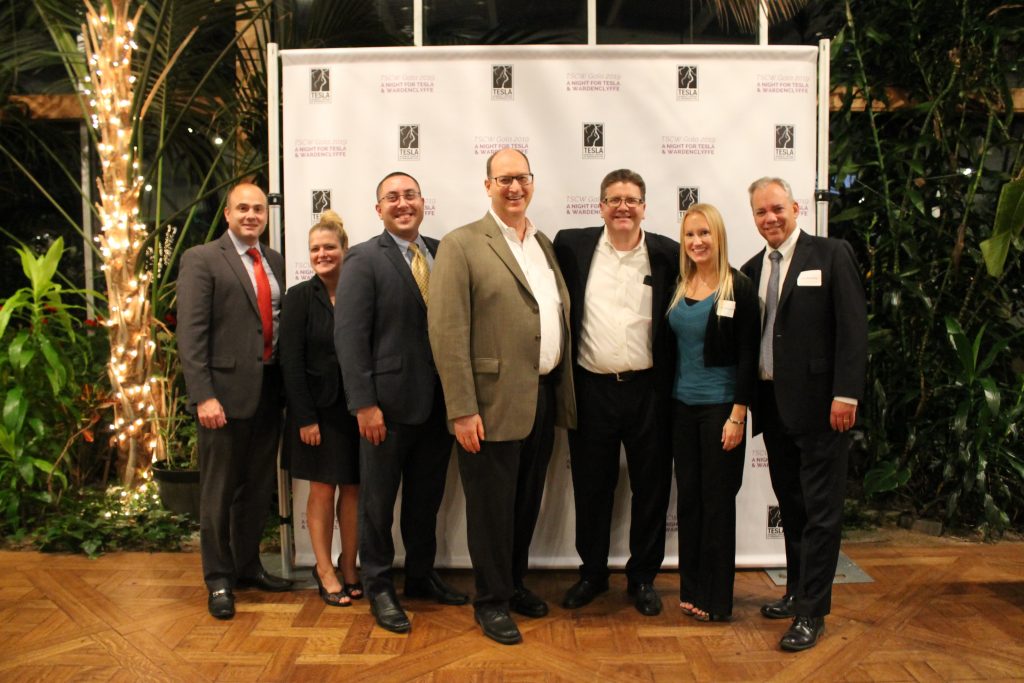
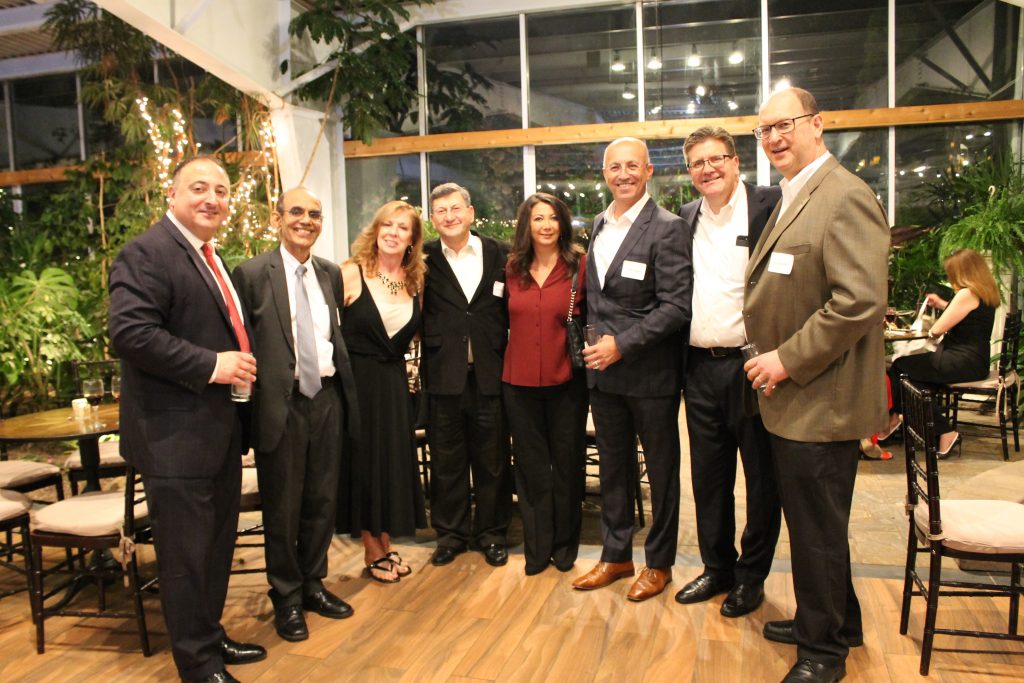
On September 26, CMM attended the Tesla Science Center at Wardenclyffe’s Gala at Flowerfield Celebrations honoring our friends Eugene Sayan of Softheon and Peter and Irene Klein of the Claire Friedlander Family Foundation. True to CMM’s innovative spirit, Joe Campolo serves as National Advisory Board Chairman and Marc Alessi serves as Executive Director for the Center, a Long Island gem. It was a night filled with excitement as guests marveled at plasma globes, floating lightbulbs, and flying magnets. Some very special guests were also in attendance including Mark Twain, Sarah Bernhardt, Thomas Edison, and even Nikola Tesla himself. As the guests moved into the ballroom for dinner, they were serenaded by the The Divine Hand Ensemble, which included a theremin.

CMM is proud to support the development of the Tesla Science Center, which is sure to be a one-of-a-kind spot for entrepreneurs, visionaries, and budding young scientists. Check out some of the event photos below, and view all photos from the event here.

The event committee, including CMM’s Marc Alessi and Joe Campolo, pose for a photo to celebrate a successful event.
Special guests Mark Twain, Thomas Edison, Sarah Bernhardt, and guest of honor Nikola Tesla made appearances at the gala.
A Tesla Gala wouldn’t be complete without some of Tesla’s most famous inventions. Jeff from Island Tech Services (ITS) shows us a levitating light bulb.
The CMM team pose for a photo with longtime friend of the firm, Alan Sasserath of Sasserath & Zoraian, LLP. From left to right: Jeffrey Basso, Devon Palma, Vincent Costa, Alan Sasserath, Joe Campolo, Cheryl Mazarowski, and Alan Weinberg.

Social Media Disclaimer

The information contained on Campolo, Middleton & McCormick, LLP’s social media pages, including but not limited to Facebook, Twitter, and LinkedIn, is provided for informational purposes only and should not be construed as legal advice on any subject matter. The firm provides legal advice and other services only to persons or entities with which it has established an attorney-client relationship.

No recipients of information from our social media pages, clients or otherwise, should act or refrain from acting on the basis of any information included on our social media pages without seeking appropriate legal or other professional advice on the particular facts and circumstances at issue from an attorney licensed in the recipient’s state. Our social media pages contain general information and may not reflect current legal developments. The firm disclaims all liability with respect to actions taken or not taken based on any or all of the contents of our social media pages.

Any information sent to the firm through social media is not secure and is done on a non-confidential basis. Communication with the firm through social media does not constitute or create an attorney-client relationship between the firm and any recipients.

The firm does not necessarily endorse, and is not responsible for, any third-party content that may be accessed through our social media pages.